
Why we don’t talk about inclusivity enough
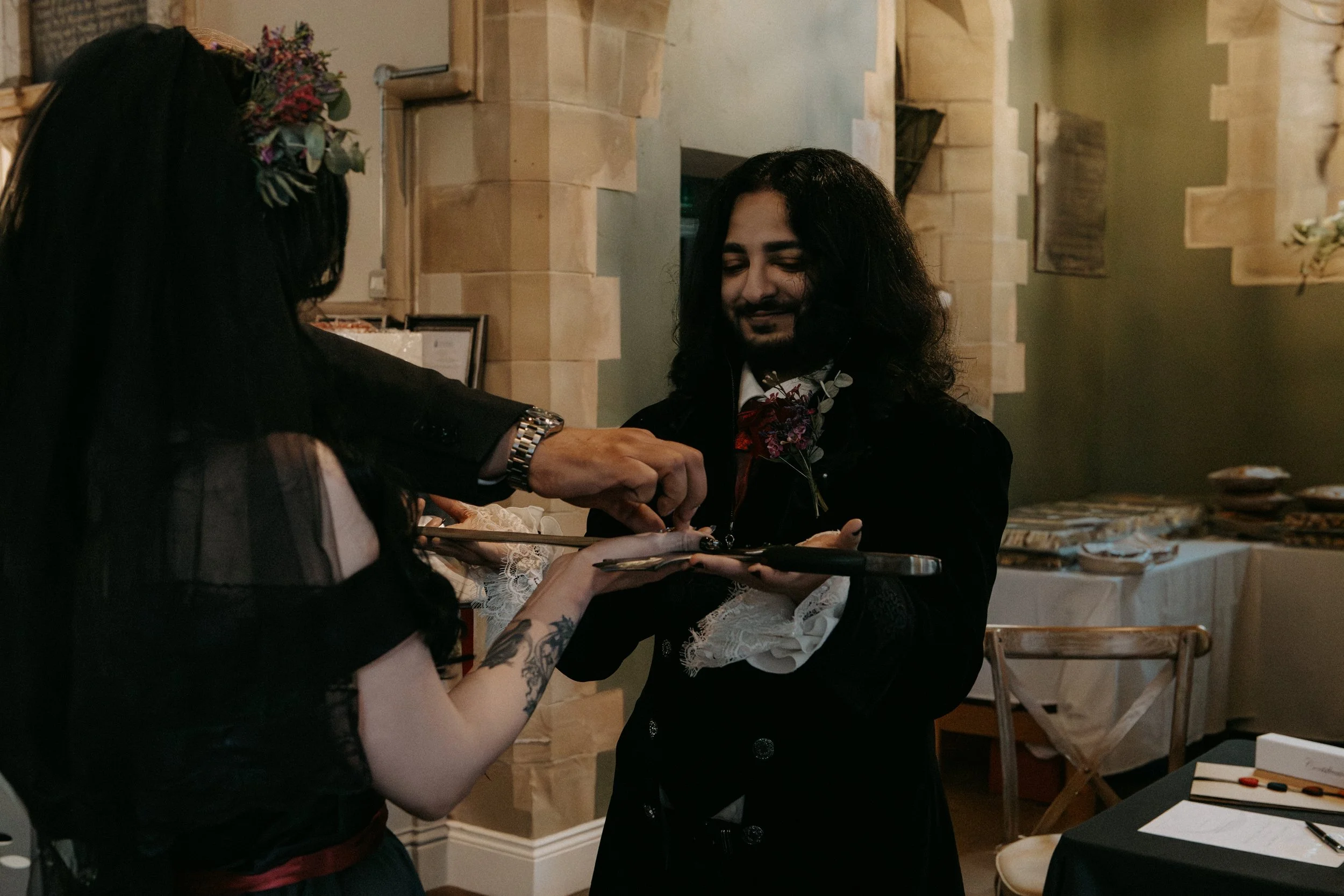
Image: Laura Fitzgerald Photography
Every so often, someone asks us whether they're "alternative enough" to attend one of our wedding fairs.
Or whether they'll fit in.
Or whether they'll be judged.
And every time, we're slightly taken aback.
Not because it's a silly question, but because it reminds us that not everyone has experienced being welcome or allowed to take up space.

Image: Laura Fitzgerald Photography
For many of us who grew up in goth, punk, metal and alternative spaces, inclusivity isn't something that was added later. It wasn't a marketing strategy, a diversity initiative or a box to tick on a website.
It is simply how things are.

Image: Laura Fitzgerald Photography
Alternative culture has always been built by people who didn't fit neatly into mainstream expectations. People who dressed differently. Thought differently. Loved differently. Created differently.
People who were told they were too much, too strange, too loud, too quiet, too dark, too weird.
And so the communities that formed around those shared experiences became places where individuality wasn't just tolerated, it was celebrated. That's not to say these spaces have always been perfect. No community is. But at its heart, alternative culture has always recognised something important:
There is no right way to be yourself.
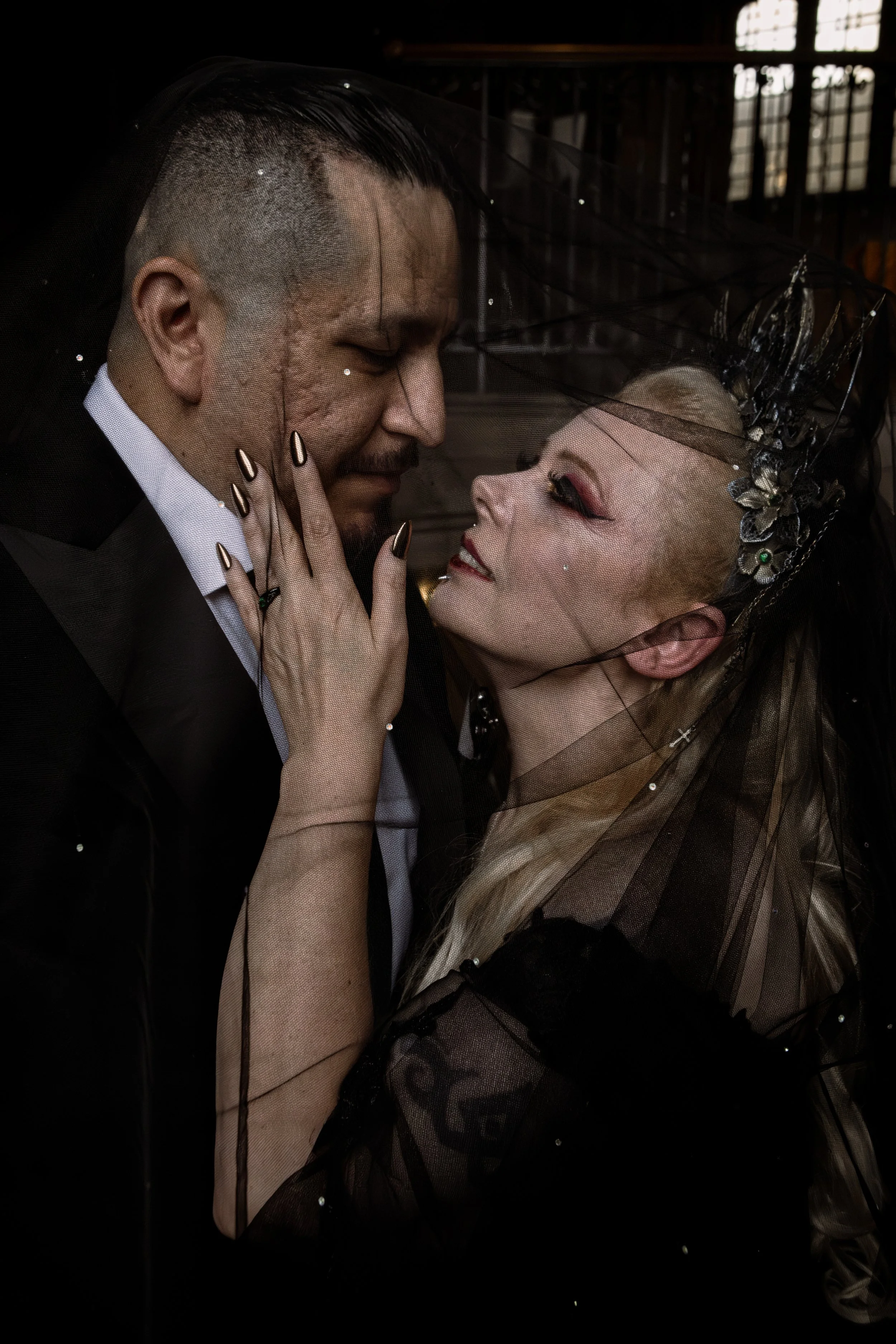
Image: Laura Fitzgerald Photography
At The Dark Wedding Collective, we sometimes forget to say this out loud because we've spent so long living it… We assume everyone knows they're welcome. We assume everyone knows they don't need to look a certain way, identify a certain way, spend a certain amount of money or fit a certain mould to belong here. But perhaps we shouldn't assume - so let us say it clearly.
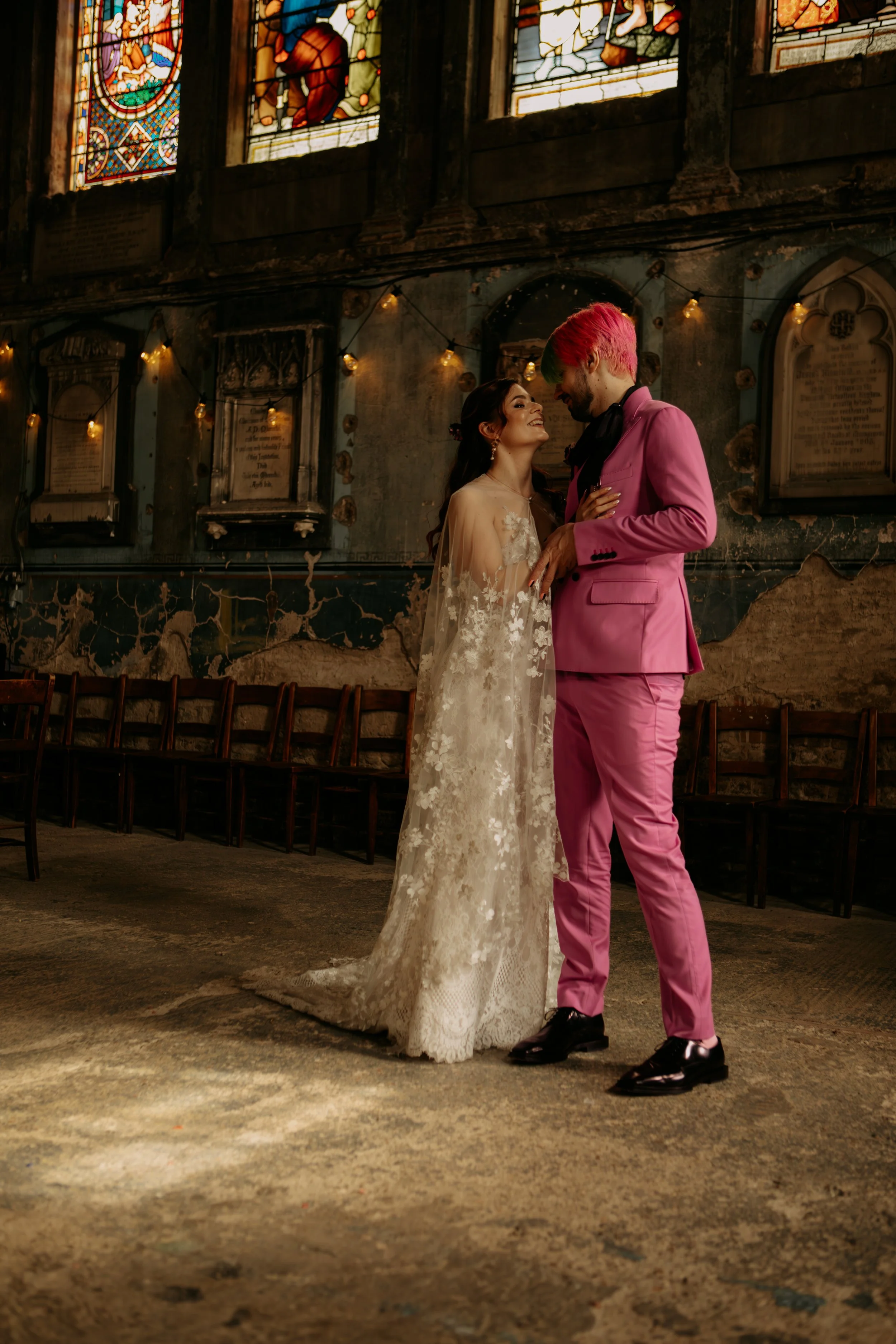
Image: Laura Fitzgerald Photography
Whether you're goth, metal, punk, pagan, queer, neurodivergent, disabled, heavily tattooed, completely tattoo-free, covered in lace, dressed in black or simply someone who never quite felt at home in traditional wedding spaces - you belong here.
The alternative wedding community exists because people dared to create spaces where authenticity mattered more than conformity.
And we think that's something worth protecting.

Image: Laura Fitzgerald Photography
