
Inclusive Marketing for Alternative Wedding Suppliers
Alternative weddings are meant to be a space for people who do not always feel represented by the traditional wedding industry. But being “alternative” does not automatically mean being inclusive.
If you’re here and reading this, you’ve already made the first step into becoming a more inclusive vendor. Your willingness to learn and adapt is a huge step within your business. This guide is here to help wedding suppliers make sure their marketing, language, imagery and client experience truly reflect the people they want to welcome, below we will go into these topics:
Who are we making space for?
Inclusive language for alternative wedding businesses
Inclusive imagery and representation
Making your enquiry process accessible
Consistency across your brand
Showing allyship & building long-term trust with your couples and community
“In diversity there is beauty and there is strength.”
— Maya Angelou
Who are you actually making space for?
Inclusivity starts with awareness. Not just of who you currently attract, but of who you might be unintentionally excluding.
The wedding industry has historically centred a very narrow version of a couple. Young, thin, able-bodied, heterosexual, cisgender, often white and following a traditional structure.
Alternative weddings challenge parts of that, but not always all of it.
True inclusivity considers a much wider range of lived experiences, including:
• LGBTQ+ identities and relationships
• Non-binary and trans individuals
• Disabled clients, including visible and invisible disabilities
• Neurodivergent clients
• Plus-size bodies and body diversity
• Different cultural and ethnic backgrounds
• Different ages and life stages
• Non-traditional relationship structures
• Spiritual, religious and non-religious ceremonies
These are not “niche” audiences. They are people who have often been underrepresented.
If they cannot see themselves in your work, your language or your messaging, they are far less likely to reach out, no matter how well your service would suit them.
language as a gatekeeper
Language is one of the quickest ways to either include or exclude someone.
Most exclusion in wedding marketing does not come from intention, but from habit. Phrases that have been used for years without being questioned.
Terms like “bride and groom”, “Mr and Mrs”, or even “traditional weddings” carry assumptions about gender, identity and structure. When someone reads those terms and they do not apply to them, it creates a subtle but immediate disconnect.
They are left to either translate your words to fit themselves into your world, or to leave and find someone who already speaks in a way that includes them.
Inclusive language removes that extra step. It shifts from defining people, to allowing them to define themselves.
This does not mean stripping away personality or becoming overly formal. It means choosing words that are flexible, open and reflective of real people.
Small changes, applied consistently, create a significantly more welcoming experience.
Here’s a few of our favourite examples in using more inclusive languages:
Nearly-weds/
Newlyweds
Partners
couple
The language itself doesn’t just stop at how you refer to your couples. It should carry through every part of their experience with you, from the moment they enquire, to your forms and contracts, right through to the wedding day itself. That includes the people around them too. For example, using “wedding party” instead of “bridal party”, or “your chosen people” instead of “bridesmaids and groomsmen”. Keeping your language open and adaptable to different dynamics and identities is always something we encourage to be truly inclusive. These kinds of small, consistent choices help create an experience where no one feels like they have to fit into a predefined role, and instead feel fully included as they are.
Representation Beyond Aesthetics
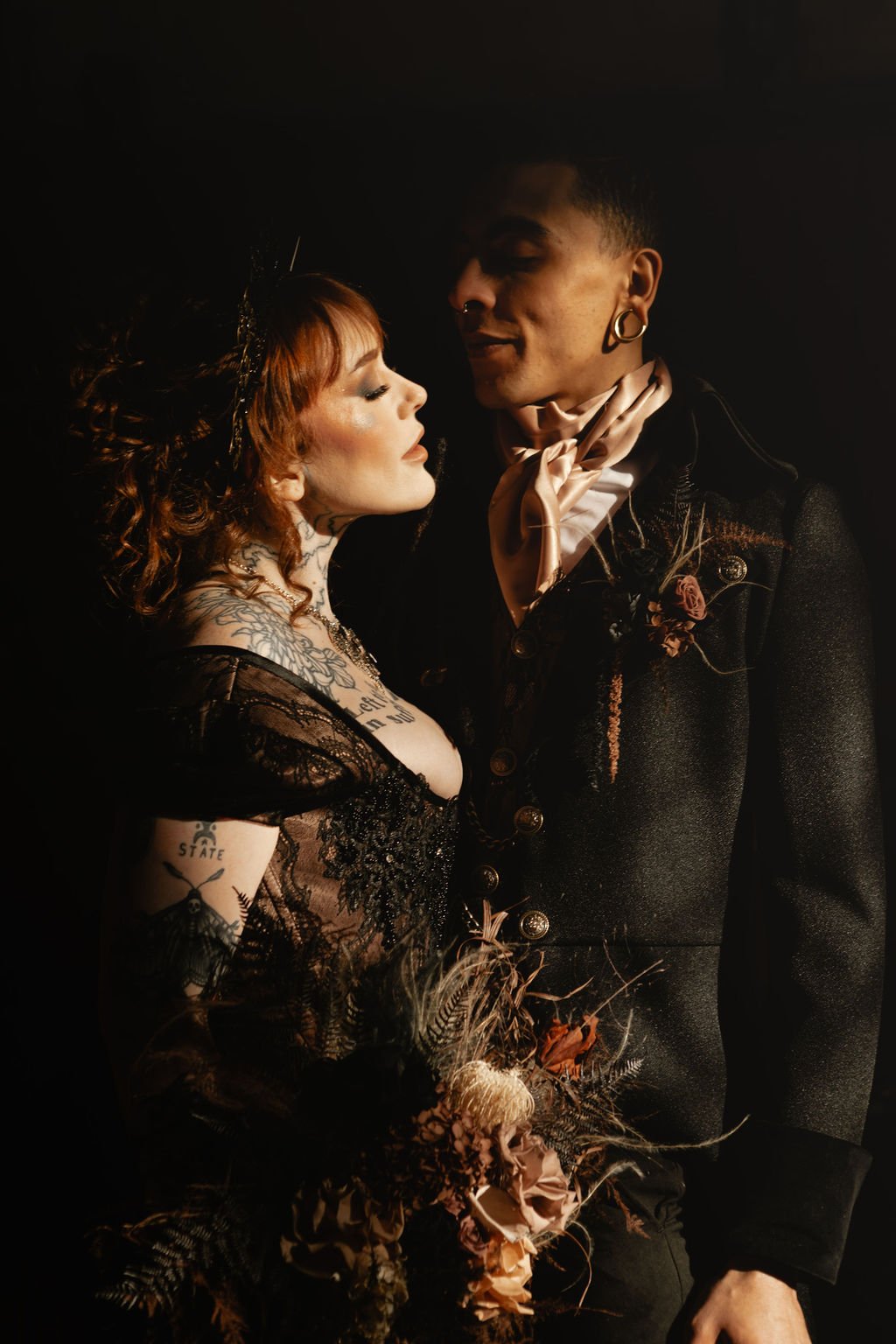
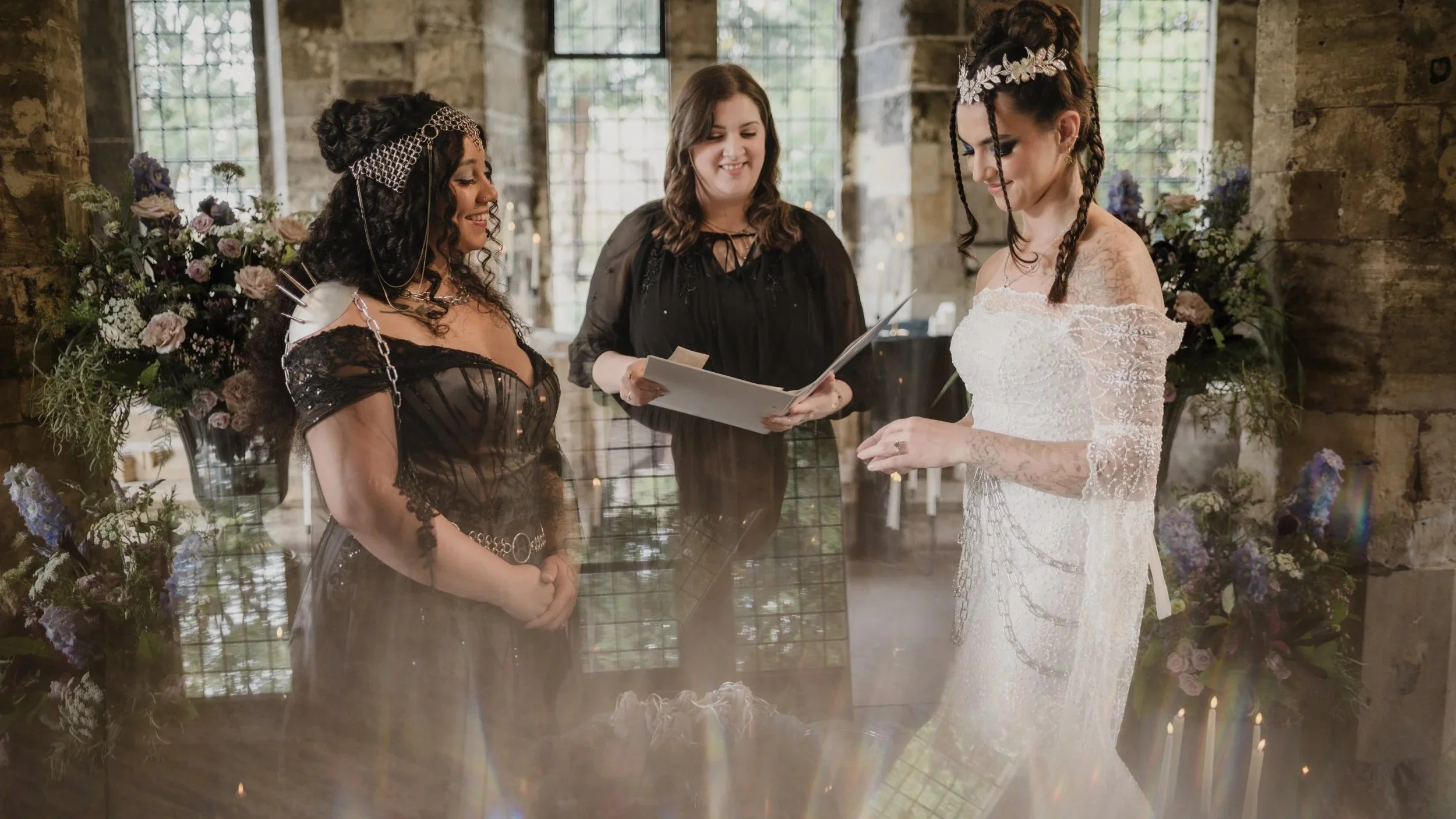
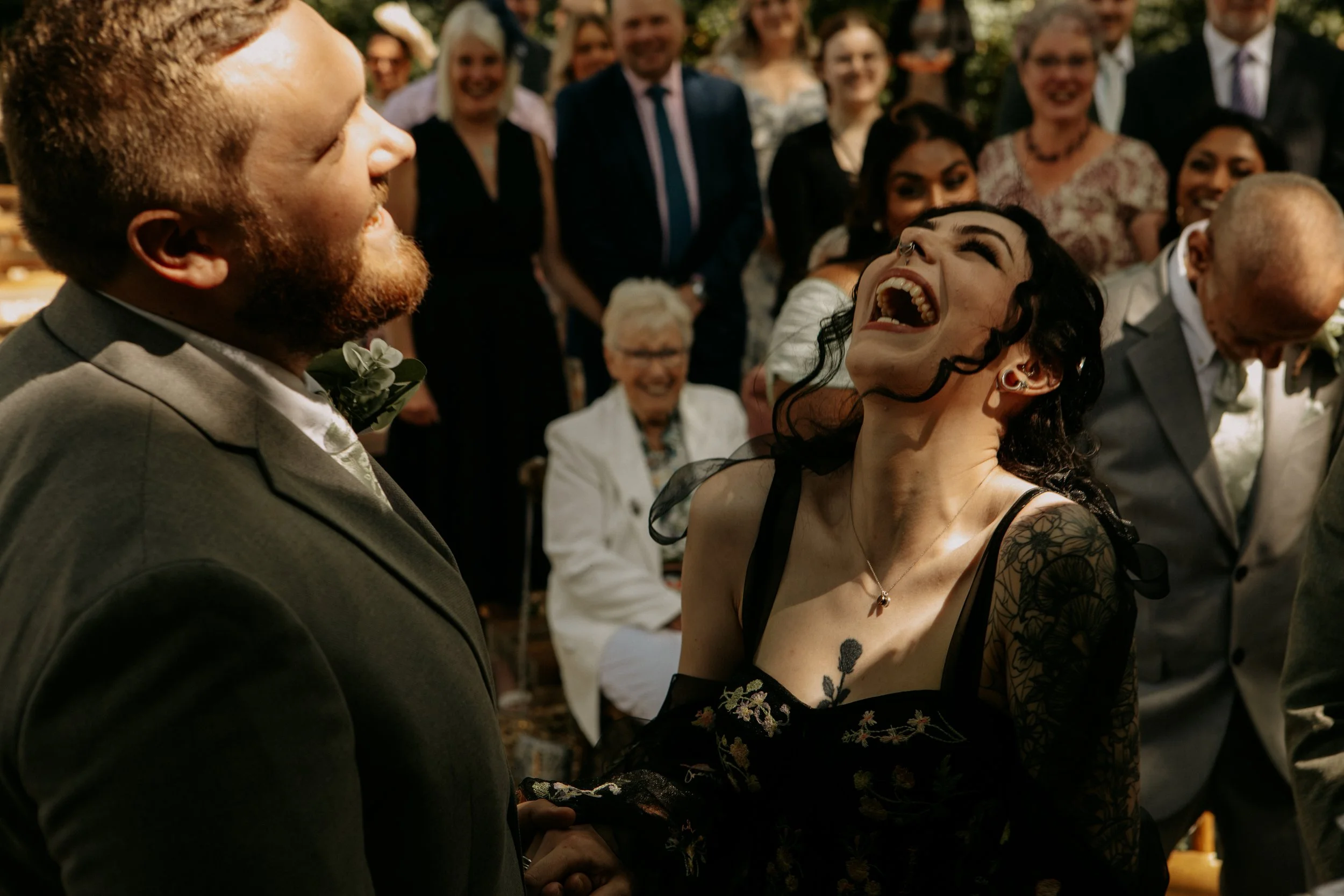
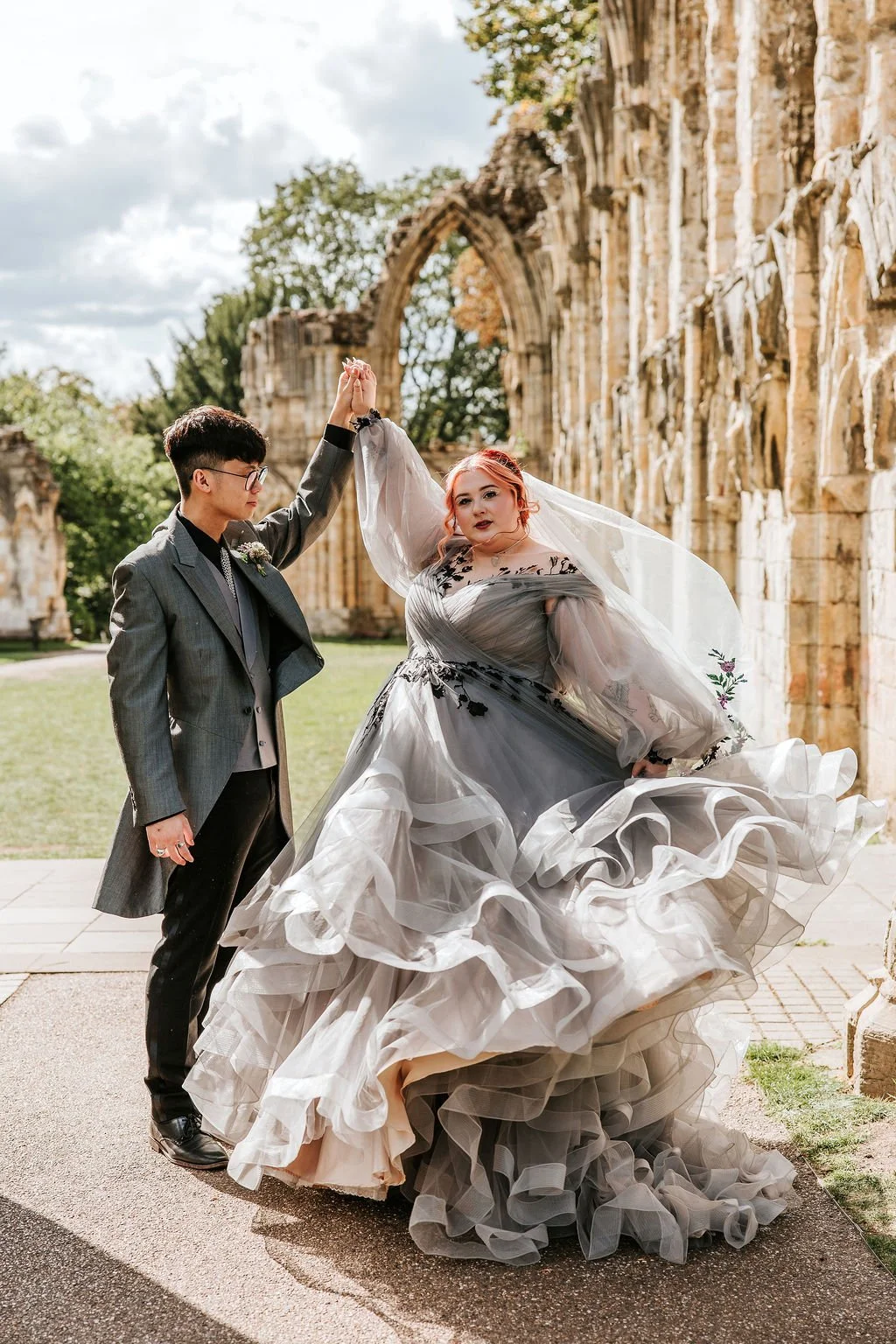
Imagery is often where businesses believe they are being inclusive, but it is also where gaps are most visible.
Your portfolio is not just a showcase of your work. It is a signal.
It tells potential clients who you work with, who you prioritise, and who belongs in your space.
If your imagery consistently reflects only one type of couple, it communicates limitation, even if that is not your intention.
Diverse representation should not be treated as a trend or an occasional feature. It should be integrated into your body of work over time.
That includes:
• Showing different body types without hiding or minimising them
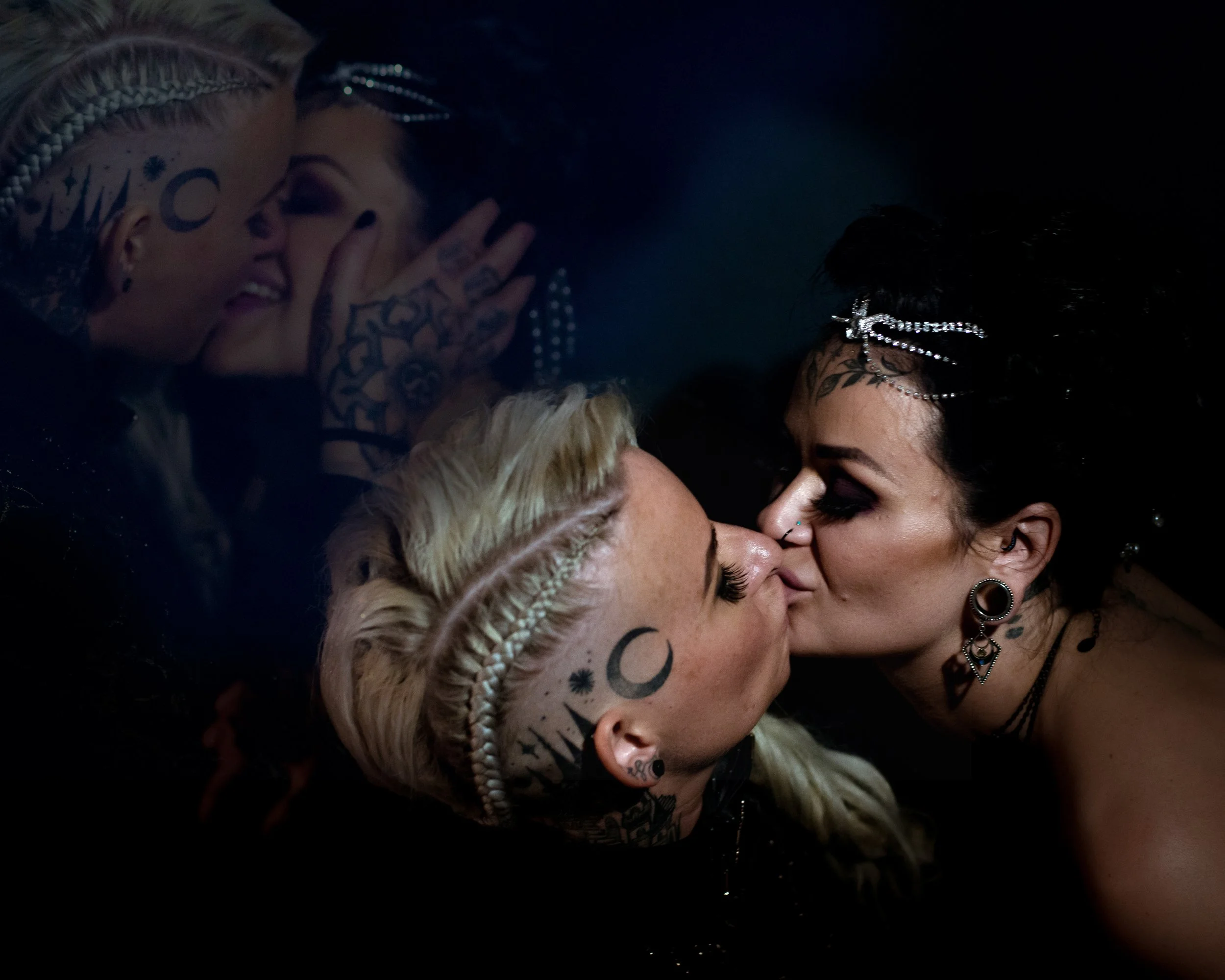
• Including LGBTQ+ couples naturally, not as a token feature
• Representing different cultural traditions respectfully
• Showing a range of ages and life experiences
• Including disabled clients in ways that feel real, not staged
• Capturing a variety of gender expressions
If your current portfolio does not reflect this, it is something that needs to be built intentionally.
This might involve collaborations, styled shoots, or actively seeking out opportunities to work with a broader range of people.
The key is that representation should feel genuine, not performative.
"Diversity is having a seat at the table, inclusion is having a voice, and belonging is having that voice be heard."
— Liz Fosslien
The Enquiry Experience
Inclusivity does not stop at visibility. It continues into how people interact with your business.
The enquiry stage is often where people decide whether to move forward or not.
At this point, they are not just assessing your work. They are assessing whether they feel safe communicating with you. Forms that require “bride” and “groom” fields, or assume a specific structure, immediately signal that the system was not built with everyone in mind.
A more inclusive approach considers:
• Open fields instead of fixed labels
• Space for pronouns, used respectfully & are not mandatory
• Neutral language throughout
• A tone that feels welcoming rather than transactional
• Clear signals that all couples are supported
The goal is to remove friction and makes it easier for someone to recognise themselves in your process. In turn, this means they are more likely to continue through your application process and also more likely to book you.
Consistency Across Your Business
One of the most common issues in inclusive marketing is inconsistency.
A website might feel inclusive, but contracts still use outdated language. Social media may show diversity, but automated emails revert to assumptions. These inconsistencies break trust.
Inclusivity should be reflected across:
• Contracts
• Pricing guides
• Email templates
• Brochures
• Client portals
• On-the-day communication
When every part of your business aligns, it creates a seamless experience where clients do not have to question whether they belong at different stages. This is the perfect time to make sure you are using the same language across all area’s of your business, especially any automated emails, contracts and templates. These are sometimes parts of our business we never revisit.
Your Role in Building a Space People Trust
As a supplier, you are part of shaping the wider wedding industry. For many couples, especially those who have felt excluded elsewhere, your business may be one of the first places they feel understood. That carries responsibility.
Inclusivity is not just about attracting more clients. It is about contributing to an industry where more people feel able to participate fully, without hesitation or uncertainty.
That doesn’t always require big, visible actions. Often, it’s in the smaller, consistent choices you make:
• Challenging outdated norms
• Supporting inclusive suppliers
• Creating safe, respectful environments on the day
• Advocating for your clients when needed
This is where allyship comes in. Showing allyship is not about making bold statements or one-off gestures. It is about how you consistently show up for the people you work with. It’s reflected in the language you use, the way you handle situations on the day, and how you support your clients if something doesn’t feel right.
It might look like correcting someone who misgenders your client, adapting your approach to suit someone’s needs without making it a big deal, or ensuring that every person involved feels equally respected and included.
Inclusive marketing is not a one-off task. It is an ongoing process that requires reflection, adjustment and a willingness to recognise where improvements can be made.
When done well, it creates something far more valuable than bookings. It creates trust. It allows people to feel seen before they even reach out. It removes uncertainty and replaces it with confidence. And ultimately, it builds a space where more people feel like they truly belong.
Those small actions, repeated consistently, are what drive that change forwards.
Inclusivity is not about expanding your audience for the sake of business. It is about recognising that the audience has always been diverse, and choosing to reflect that honestly.
The more intentional you are in how you communicate, the more people will feel able to step into your world without hesitation.
And that is where real connection begins.